

Every year, thousands of students apply to top global universities – they all have excellent academic scores. Yet, many of them are rejected.
Why? Because universities are not only selecting students who can pass exams. They are building a community. They are investing in future leaders, innovators, and contributors to society.

When admissions teams evaluate applications, they look closely at grades, course rigor, essays, recommendations, activities, awards, projects, institutional priorities and extracurricular activities. These experiences reveal character, mindset, and potential.
Let’s break this down clearly.
1. Leadership & Initiative – Why it matters.
Universities want students who take ownership. Leadership is not limited to official titles like Head Boy or Head Girl. It shows up in everyday actions:
- Taking responsibility when something needs to be done
- Starting a project without being told
- Finding solutions when challenges arise
These include organizing a school event, launching an online initiative, leading a sports team, or creating a community drive. It’s critical for you to understand why all this matters?
Leadership shows confidence, decision-making ability, and courage. Universities want students who will create impact, not just attend lectures. Think about it this way: university is the first time most people are truly on their own. No one is going to remind you to study, push you to join clubs, or tell you to make the most of your experience. Universities want to know that you’re the kind of person who takes charge — not just of others, but of your own life
2. Teamwork – why being a team player is critical.
University education is highly collaborative : group assignments, research projects, presentations, competitions, and clubs require constant interaction. Even beyond university, almost no career operates in isolation. Success depends on working effectively with others. Being a strong team player shows that you:
- Respect diverse perspectives
- Communicate clearly
- Manage disagreements maturely
- Contribute meaningfully without dominating
Participation in sports, theatre, debate, volunteering, Model UN, student councils, or group projects reflects this ability. Universities understand that academic intelligence alone is not enough. Students who struggle with collaboration often struggle later in professional environments; thus it’s a skill that will serve you for life and universities want to nurture it.

3. Commitment & Passion – why depth matters more than quantity.
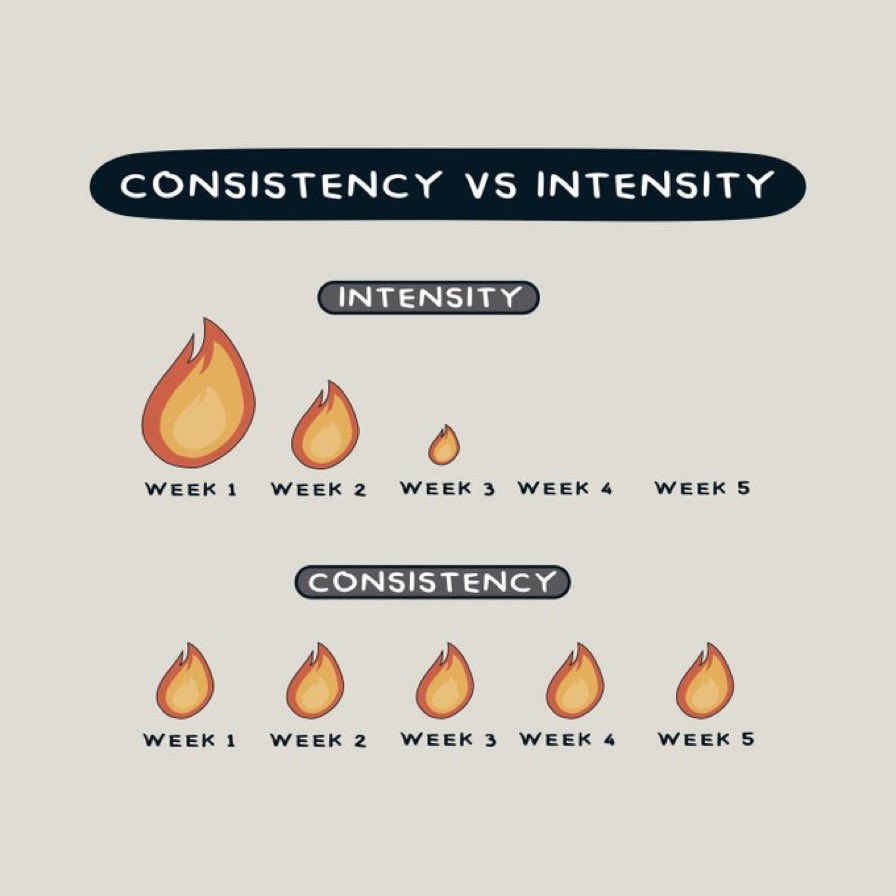
One of the biggest misconceptions among students is that more activities equal a stronger application. Admissions officers can easily recognize superficial involvement. Joining multiple clubs for short periods purely for certificates often weakens credibility. What truly stands out is:
- Long-term involvement
- Increasing responsibility over time
- Genuine interest and sustained effort
Playing basketball for four years and becoming vice-captain shows discipline and growth. Learning music seriously over years shows perseverance. Working consistently on a social cause shows character. Genuine passion and long-term commitment show resilience and self-awareness- two qualities that universities know are strongly linked to success.
4. Your unique story – why it helps you stand out.
Academic scores can be similar across thousands of applicants. Personal journeys are not. You could be someone who :
- Helped in a family business
- Built a small startup
- Represented your school at competitions
- Contributed to your local community
These experiences shape how you think and bring diversity to the classroom. Here’s something worth understanding: a university isn’t just a place where you learn from professors- it’s a place where you learn from each other. Universities want different perspectives. They want discussions that are rich and dynamic. Your story makes you memorable.
5. Contribution to campus life – why Universities care.
Universities aim to create vibrant, active communities. Student’s, teachers, and many support staff spend a large part of their day within the university. That is why each person on the campus does impact everyone else – albeit in a small way. Thus, universities look beyond academic readiness and ask:
- Will this student participate actively?
- Will they lead initiatives?
- Will they contribute to clubs and societies?
- Will they strengthen our community?
When reviewing applications, admissions teams are evaluating contribution, not just competence. When they look at your application, they’re not just asking “will this student pass their exams?” They’re asking “will this student add to our community?” If you’ve shown throughout school that you get involved, take initiative, and contribute beyond what’s required of you, that tells them exactly the kind of student you’ll be. Students who consistently engage beyond academic requirements demonstrate that they will add value to campus life.
The Bottom Line
Marks get your foot in the door. Your character, initiative, commitment, and experiences determine how far you go. If you are unsure how to present your extracurricular profile strategically and authentically, we are here to guide you.
Schedule a 30-minute consultation with us and let’s build an application that truly reflects who you are — not just what you scored.
Also read:
- Connecting Extra-curricular’s to your Intended Major
- Much ado about Extra-Curricular Activities!
- 21st century skills for students
At MindScan, we work with students & handhold them through the entire process of Higher-Education planning, University research and application. If you’re thinking about applying to the best universities in the world, we’ll be happy to partner you on this journey. Connect with us today !