
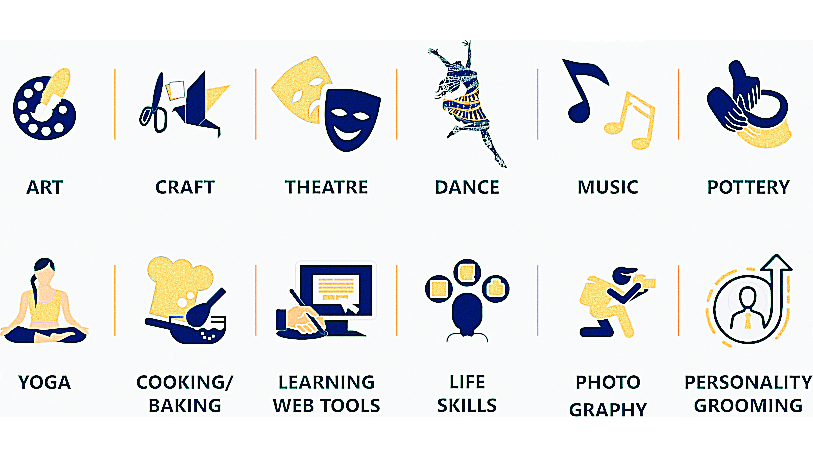
Colleges want to see genuine passion for your chosen field through meaningful extracurricular involvement, not just good grades
Why does this matter ?
Meaningful extracurricular involvement connected to your intended college major is increasingly recognized as a key differentiator—not just for admissions, but for long-term success in college and beyond. While many students and families focus intensely on grades and test scores, colleges are searching for genuine passion, curiosity, and engagement with your chosen field. This often comes through sustained participation in activities, projects, and experiences where you not only “do” but learn, grow, and develop fundamental skills directly applicable to your college journey.

Major-aligned activities prove your interest is real.
Admissions officers want proof that a student’s academic interest is authentic and well-considered. When a budding engineer spends weekends building robotics kits, or a future psychologist volunteers for a helpline and attends psychology workshops, they’re sending a clear message: “I’ve explored—and invested in—this major beyond the classroom.” This kind of initiative demonstrates self-motivation and a willingness to go beyond minimum requirements. Importantly, these activities foster the development of skills that are essential for thriving at university—often more so than academic performance alone.
Benefits beyond getting admitted
These experiences help you make smarter college decisions. Many students switch majors because college coursework doesn’t match what they imagined. By getting real exposure to your field during your school-years, you can test whether your interest holds up in practice. This insight can prevent costly major changes later and help you enter college with confidence in your chosen path.
How to find the right opportunities
Start with what’s available close-by. Encourage exploration through school clubs, community groups, and online programs related to the intended major. Summer schools & programs offer particularly valuable intensive experiences—think science camps for STEM students, writing workshops for English majors, or business internships for future entrepreneurs.
Don’t overlook independent projects. Self-directed work can be just as impressive as formal programs if it demonstrates sustained effort and growth in the student’s area of interest. The added advantage is that you’ll have total freedom to steer your work !
Quality over Quantity:
Deep involvement trumps resume padding every time. Admissions officers would rather see meaningful engagement with two or three activities over several years than superficial participation in twenty different clubs. Focus on experiences that genuinely excite your student within their field of interest.
Most Important Points
- Grades alone aren’t enough – colleges want evidence of genuine passion for your field
- Hands-on experience validates interest – activities prove you’ve tested your major choice in real settings.
- Prevents costly mistakes – field-related activities help confirm your academic direction before college.
- Depth beats breadth – sustained commitment to fewer activities is more impressive than scattered involvement.
- Multiple pathways exist – from school clubs to summer programs to independent projects
A few examples : Major-Aligned Activities and Skill Gains –
Activity Type
STEM project/internship
Journalism club
Business competitions
Creative arts ensemble
Service organization
Sample Skills Developed
Teamwork, problem-solving
Communication, deadline management
Leadership, analytical thinking
Collaboration, discipline
Empathy, planning
College Impact
Lab work, research, group assignments
Essays, campus media, networking
Group projects, internships, presentations
Studio work, critique, performance
Civic engagement, event management
Colleges value these well-rounded individuals because their extracurriculars reflect authentic interests and transferable skills that drive success well beyond admissions. Ultimately, integrating meaningful activities with your academic goals sets the stage for a purposeful college experience.
At MindScan, we work with students & handhold them through the entire process of university research and application. If you’re thinking about applying to the best universities in the world, we’ll be happy to partner you on this journey. Connect with us today !