

A practical guide for Graduates at the crossroads.
You’ve just graduated. Your inbox has emails from universities promoting their MSc programmes. Your LinkedIn feed is full of people your age either starting grad school or landing their first real job. And every family dinner seems to end with someone asking: “So what’s the plan?”
Here’s the thing nobody tells you directly: there is no universally right answer. But there is a right answer for you — and it depends on factors that are specific to your situation, your field, and honestly, where your head is at right now.
I’ve worked with hundreds of graduates navigating this exact decision. What I’ve seen is that both paths can lead to genuinely successful careers, and both can go wrong for the right person in the wrong circumstances. So let’s break this down:

Path One: Pursuing a Master’s Degree Immediately
For many graduates, continuing their education right after their bachelor’s degree feels like the natural next step. The academic momentum is strong, applications are already on their radar, and they may already know the field they want to specialize in.
In some situations, this approach works extremely well.
The advantages
- You deepen expertise early
If you are confident about your field, a master’s program allows you to build deeper knowledge immediately. This is particularly valuable in areas where advanced technical or analytical skills matter.
For example, a computer science graduate interested in artificial intelligence may find that a specialised master’s in machine learning opens doors to roles that are difficult to access with only an undergraduate degree. Similarly, a finance student aiming for quantitative roles may benefit from a specialised master’s in financial engineering. Instead of spending years exploring broadly, you move directly toward expertise.
2. You stay in an academic rhythm

Studying after a long break can be harder than many students expect. When you go straight into a master’s program, you are still comfortable with exams, assignments, research, and structured learning.
For some students, this continuity makes the transition much smoother.
3. You enter the job market with stronger qualifications earlier
Completing a master’s earlier means you start your professional career with an advanced qualification sooner. Over time, this can accelerate entry into specialised roles or research-driven careers.
This is especially common in technical fields, where graduate-level training is often expected.
4. You gain access to global networks sooner

Many master’s programs provide access to internships, industry collaborations, and alumni networks. These connections can significantly influence early career opportunities, particularly for students studying abroad.
For some graduates, the master’s program itself becomes the gateway to international work experience.
Pursuing a master’s immediately is not automatically the better option, there are factors to consider:
- You may specialize too early
At 21 or 22, many students are still discovering what they enjoy doing professionally. Choosing a highly specialized master’s program without real exposure to the industry can sometimes lock students into paths they later realize are not the right fit.
For example, a business graduate may pursue a master’s in marketing, only to later discover that they enjoy operations, product management, or analytics much more.
2. You may miss the context that work experience provides
Work experience often changes how people approach education. When students return to graduate school after working, they tend to ask sharper questions, connect theory with practice, and participate more actively in discussions.
Without that exposure, some students move through their master’s program without fully appreciating how the concepts apply in real-world organisations.
3. It is a significant financial commitment
A master’s degree, particularly from international universities, is often a major financial investment. For some families, the cost is manageable. For others, it requires loans or long-term financial planning.
Taking on this investment before gaining work experience can feel risky if you are still uncertain about your long-term direction.
Finally, if you’re seriously considering a career change — say you studied politics but want to move into sustainable business strategy — a master’s programme is one of the cleanest ways to make that pivot credible on paper before you’ve had the chance to build a work track record in the new field.
Who this path tends to work best for
Going directly into a master’s degree often works well for graduates who:
• Are genuinely confident about their field of specialization
• Have already explored the field through internships or research
• Are considering a change in career direction
• Are motivated by academic environments and structured learning
These students are not simply continuing education because it feels like the next step. They are doing it because they know exactly what expertise they want to build.
Path Two: Gaining Work Experience Before a Master’s
The second path is increasingly common: graduates enter the workforce first and consider a master’s degree later.
In fields like business, consulting, product management, and even parts of the technology sector, this approach can provide valuable perspective.
The advantages
- You gain clarity about what you actually enjoy

A job exposes you to the realities of work in ways that internships often cannot. You see how organisations operate, how teams collaborate, and what different roles actually involve. Many graduates discover that the career they imagined during university is quite different from what they enjoy doing in practice.
For instance, a technology graduate might start in software development but later realise they enjoy product strategy or data analytics more. Similarly, a business graduate might begin in sales and later transition toward consulting or entrepreneurship. This clarity can significantly influence the kind of master’s program you eventually choose.
2. You become a stronger student later
Students who return to graduate school after work experience often approach learning differently. Classroom discussions feel more relevant because they have seen real business challenges or technical problems.
In many business schools, for example, students with professional experience contribute significantly to case discussions and group projects. They are not just learning concepts. They are connecting them to real situations they have encountered.
3. You build financial stability
Working first allows some graduates to save money, support themselves, or reduce the financial pressure associated with further education. This can be especially helpful for students planning to study abroad, where tuition and living expenses can be substantial.
4. Your career direction becomes more intentional
When students pursue a master’s after gaining industry exposure, their decisions are often more strategic. They know what skills they lack and what credentials will help them move forward. The degree becomes a targeted investment, rather than a general extension of education.
The risks to consider
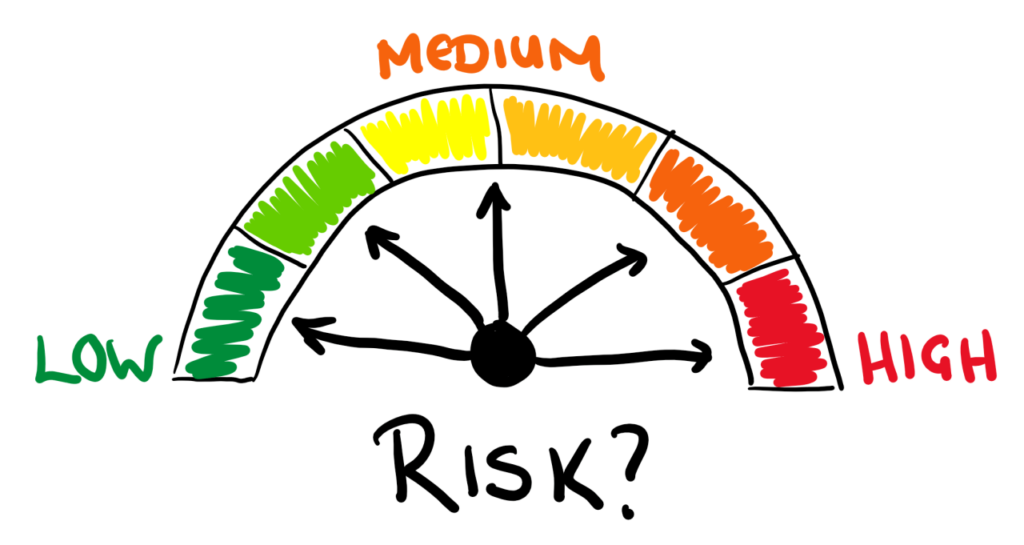
However, working first also comes with challenges.
- Returning to studies can be difficult
Once people settle into professional routines, going back to student life can feel challenging. Academic writing, exams, and structured coursework may feel unfamiliar after several years in the workplace. Some professionals also find it difficult to step away from income and return to being a full-time student.
2. You may delay specialization longer than necessary
In certain technical fields, delaying graduate education can slow down entry into advanced roles. For example, someone interested in research-intensive careers or advanced technical work might benefit from specialized training earlier rather than later.
3. Work experience does not always guarantee clarity
While work often provides insight, it does not always immediately answer career questions. Some graduates change roles multiple times before discovering what they truly want. Waiting for perfect clarity can sometimes lead to unnecessary delays.
Who this path tends to work best for
Working before pursuing a master’s often suits graduates who:
• Are still exploring their career direction
• Want to understand industry dynamics before specializing
• Are considering business or management-related programs
• Prefer learning through real-world experience
These individuals often see their master’s degree as a strategic pivot or accelerator, rather than simply the next academic step.
A Framework for Making the Decision
If you are standing at this crossroads, the best way forward is to step back and evaluate your situation honestly. Here are five questions that can help clarify the right direction for you.
1. How clear are you about your career goals?
If you already know the specific field you want to specialize in, pursuing a master’s immediately may make sense. If you are still exploring multiple possibilities, work experience can help you gain clarity before making a major educational investment.
2. What does your chosen industry expect?
Different industries value different pathways. Many technical fields emphasize specialized knowledge early. In contrast, business and management careers often value professional experience before advanced degrees.
Understanding how your industry operates can help guide the decision.
3. What is your financial situation?
Graduate education can be expensive. Consider whether pursuing a master’s immediately is financially comfortable for you and your family, or whether working first might reduce financial pressure.
Neither approach is inherently better. It simply depends on your circumstances.
4. How ready do you feel for further study?
Some graduates are genuinely excited about continuing their academic journey. Others feel mentally ready to step into the professional world and gain practical exposure.
Both instincts are valid. Recognising where you stand can make the decision easier.
5. What kind of learning environment suits you best?
Some people thrive in classrooms, research projects, and structured learning environments. Others grow faster when solving real problems at work.
Understanding how you learn best can be surprisingly important.
The Reality Most Graduates Eventually Discover
The truth is that careers rarely follow perfectly planned timelines. Some students pursue a master’s immediately and build remarkable careers. Others work first, return to graduate school later, and gain even greater clarity about their direction.
Both journeys can work extremely well.
What matters far more than the timing of a master’s degree is self-awareness. Understanding your goals, your motivations, and your readiness will always matter more than simply following what everyone else is doing. If you focus on making a thoughtful decision rather than a rushed one, you are already on the right track. And that, more than anything, is what leads to long-term career success.

At MindScan, we work with students & handhold them through the entire process of university research and application. If you’re thinking about applying to the best universities in the world, we’ll be happy to partner you on this journey. Connect with us today !
