

Last week, I ran a poll asking parents of teenagers one simple question: What feels most challenging when thinking about your child’s future after school?
Over 60% of parents chose this response: “understanding my child’s real interests and strengths.” That result did not surprise me, but it did confirm something important.

Parents are not unsure because they are disengaged or uninformed. They are unsure because teenagers today are harder to read than ever before, and the education landscape has changed dramatically.
As parents, you see your child every day. You know their values, their moods, and their capabilities. Yet when it comes to future direction, many parents quietly wonder: Am I interpreting this correctly, or am I projecting my own experiences and expectations onto them?
Over the last 20+ years of working with families across boards, countries, and career paths, we’ve seen this pattern repeat. Knowing your child deeply does not always translate into career clarity.
The world your child is entering is not the one you prepared for. Careers are less linear, university admissions are more competitive, and success is no longer defined only by marks or degrees. Today, alignment matters as much as achievement.
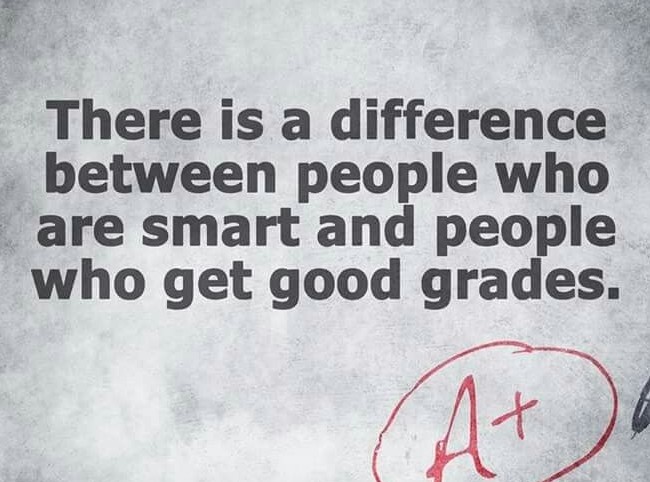
Many parents rely on familiar signals. Good grades must mean interest. Disinterest must mean laziness. Silence must mean confusion. Often, these interpretations are incomplete.
Teenagers are still learning how to reflect on themselves. They may feel curious but lack language. Capable but unsure. Motivated but overwhelmed by choice.
This is where parents often feel stuck. You want to guide without pushing. You want to support without controlling.And you want to make the right decisions without creating pressure. Recognising that instinct alone may not be enough is not a weakness. It is a strength.
When parents combine their understanding of their child with structured exploration, exposure to possibilities, and sometimes an external perspective, clarity improves. Conversations become calmer. Decisions become more intentional.
This does not reduce a parent’s role. It strengthens it.
This article is the starting point of a larger conversation. Over the coming weeks, I’ll look at various facets that impact a teenager’s higher education & career planning.
If you’re a parent of a teenager, we would value hearing from you too – as you think about your child right now, what feels hardest to interpret or understand?
